Boutiq Verification: QR Codes, Batch Codes & Authenticity Checks
Boutiq verification is the process of confirming a product is genuine by checking its QR code destination, matching the batch code to a Certificate of Analysis, and confirming the seller channel. This portal explains each verification step. We are an independent resource, not the manufacturer’s authentication system — but we document exactly what to look for and what fakes get wrong.
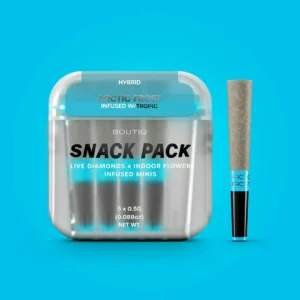
What “boutiq verification” means
When users search “boutiq verification,” “boutiq verify,” or “boutique verification,” they are looking for one of three things:
- A way to confirm their device is genuine before using it.
- The manufacturer’s official authentication tool (QR scan, scratch panel, or database lookup).
- A third-party guide explaining what genuine markers look like.
This page covers all three. For the full packaging-marker checklist with side-by-side photography, see the Real vs. Fake guide. For how to read lab documents once you have them, see the Lab Results page.
Step 1: The QR code check
Most genuine Boutiq packaging includes a QR code or scannable panel. Here is how to test it correctly:
What to do
- Open your phone’s camera and point it at the QR code. Do not tap the link yet.
- Read the destination URL that appears on screen.
- Check the domain. A genuine verification page should resolve to a domain associated with the brand or its licensed verification partner [VERIFY: exact genuine QR destination domain — record during physical inspection].
- Only after confirming the domain, tap through and check that the page loads, shows product-specific data, and does not redirect to an unrelated site.
What fakes get wrong
Fake QR behaviour | What it means |
|---|---|
Dead link / “page not found” | Static code printed on thousands of fake boxes |
Redirects to a generic “product authentic” page | Cloned verification system used across many counterfeit brands |
Resolves to an unrelated domain (e.g., a survey or ad site) | QR code harvested from a different product entirely |
No QR code present at all | Packaging printed without any verification layer |
[FIRST-HAND: Scan the QR code on at least one verified-genuine V4 and one verified-genuine V5 unit. Record the exact destination domain, the page title, and what product-specific data the page displays. Publish only the observed result.]
Step 2: The batch code check
Every genuine unit should carry a batch or lot code printed on the packaging. This code is the link between the physical product and its laboratory documentation.
What to look for
- Presence. A genuine box has a batch code. No code at all is an immediate red flag.
- Print quality. Genuine codes are printed cleanly as part of the packaging run. Hand-written, stickered-over, or smudged codes suggest tampering or counterfeiting.
- Format consistency. Codes within the same production run should follow a consistent format [VERIFY: observed batch code format on genuine units — document during inspection].
What to do with the code
- Locate the batch code on your box.
- Request the matching Certificate of Analysis from the seller or dispensary.
- Confirm the COA’s batch number exactly matches the code on your box.
- If the seller cannot produce a COA, or the numbers do not match, treat the product as unverified.
The line-by-line guide to reading a COA — what the cannabinoid percentages mean, what the contaminant screens should show, and what a missing screen tells you — is on the Lab Results page.
Step 3: Cross-check the seller channel
Verification does not stop at the packaging. The channel you bought through matters:
Channel | Risk level | Why |
|---|---|---|
State-licensed dispensary | Lowest | Regulated supply chain, state-mandated lab testing |
Established online retailer (verifiable address, PACT-compliant shipping) | Lower | Accountable business, return policies |
Smoke shop / gas station | Moderate to high | Largely unregulated, no lab-test requirement |
Telegram / Instagram / Discord sellers | Very high | No accountability, crypto-only payment, no returns |
“Bulk” or “100 pack” wholesale sites | Extreme | Almost exclusively counterfeit operations targeting consumers |
See the Where to Buy guide for verified channel criteria and the Dispensary guide for how to find licensed stores.
Common fake verification tricks
Counterfeiters have adapted to buyers who know to check QR codes. Watch for:
- Cloned verification sites. A fake QR resolves to a page that looks like an authentication portal but lives on an unrelated domain. Check the URL bar, not just the page design.
- Recycled genuine codes. A real batch code printed on thousands of fake boxes. The code itself is valid, but it was stolen from one genuine unit. Cross-reference the COA date and retailer.
- No verification layer at all. Some fakes skip the QR entirely, banking on buyers who only check the box art.
- “Scratch to verify” panels that reveal nothing. A genuine scratch panel should reveal a unique code. If scratching reveals a blank space or a generic message, the panel is decorative.
What this site is (and is not)
- We are: an independent publisher documenting verification methods, photographing genuine markers, and explaining what fakes get wrong.
- We are not: the manufacturer, the manufacturer’s authentication partner, or a warranty provider. We cannot verify a unit on your behalf, issue authenticity certificates, or confirm warranty status.
For official warranty or corporate communications, contact the brand’s corporate entity directly. For independent verification guidance, use this portal and the Real vs. Fake guide.
Frequently asked questions
How do I verify a Boutiq product?
Scan the QR code and confirm the destination domain is legitimate. Locate the batch code and match it to a Certificate of Analysis. Check the seller channel. If any step fails, treat the product as unverified.
Does Boutiq have an official verification website?
The brand uses QR-based verification on its packaging. The exact destination domain is documented on this page once confirmed through physical inspection [VERIFY: official domain]. We are not the manufacturer’s verification system.
What if the QR code does not work?
A dead QR link is a counterfeit red flag. Genuine units should resolve to a working verification page. If yours does not, check the remaining markers (spelling, batch code, price, seller) against the Real vs. Fake guide.
Can I verify a Boutiq product without the box?
Verification is significantly harder without packaging. The batch code, QR panel, and print-quality markers all live on the box. If you have only the device, check the chamber windows, build quality, and selector mechanism against the genuine-unit photography on our V5 Review page.
Are “boutique verification” and “boutiq verify” different systems?
No. These are spelling and word-order variants of the same search intent. The brand is spelled Boutiq. A physical product printed as “Boutique” with its own “verification” system is almost certainly counterfeit.
What if my QR resolves but the page looks generic?
A generic “this product is authentic” page that serves thousands of different brands is a cloned verification system — a common counterfeit technique. A genuine verification page should show product-specific data tied to your batch.
These statements have not been evaluated by the Food and Drug Administration. These products are not intended to diagnose, treat, cure, or prevent any disease.
BTQ V5 (btq-v5.com) is an independent informational resource and enthusiast guide. We are not affiliated with, endorsed by, sponsored by, or officially connected to Boutiq or its parent companies. See /legal-compliance/ for full disclosures.